

vapora blog
Why and how vape technology is evolving rapidly
Feb
Why and How Vape Technology is Evolving Rapidly in Modern Times
Vape technology evolution is accelerating worldwide. Modern vape devices respond to consumer demand, performance needs, and regulatory requirements. Smooth nicotine hits, consistent flavors, and compact designs drive rapid growth in vaping technology.
The global vape industry is expanding quickly. From first-generation e-cigarettes to AI-powered smart devices, vape technology has improved dramatically in less than twenty years. Innovation in vaping devices now focuses on efficiency, customization, and safety.
Global e-cigarette market reached $20.5 billion in 2025, projected to hit $35 billion by 2030, highlighting strong growth driven by consumer demand and technological advancement.
Introduction to Vaping Technology and Its Rapid Growth
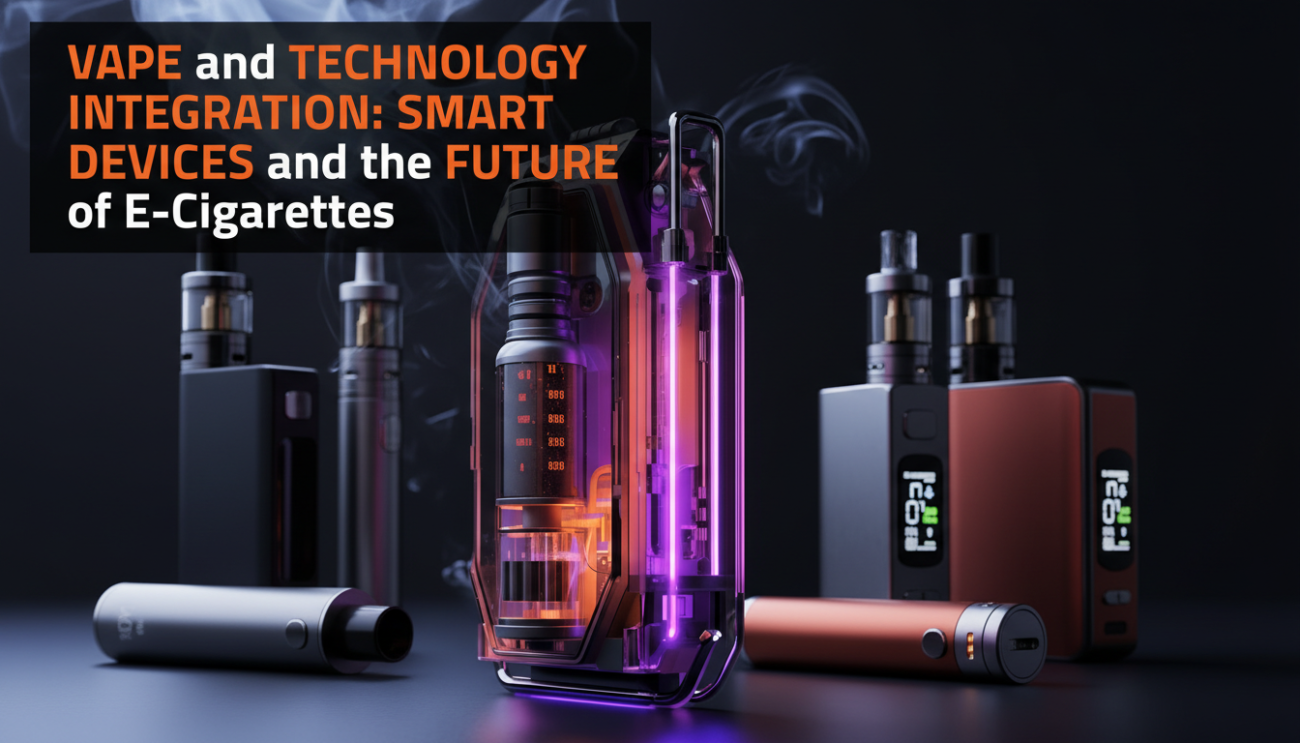
Vaping devices use aerosol technology to deliver nicotine without combustion. Electronic cigarettes differ from traditional smoking, producing vapor instead of harmful smoke. Modern devices offer advanced nicotine delivery systems and improved flavor consistency.
Vape innovation has enabled precise temperature control, airflow adjustments, and compact designs. Consumers now expect devices that are portable, safe, and reliable.
WHO reports global vaper numbers rose from 35 million in 2010 to over 68 million in 2025, illustrating rapid adoption of modern vape technology.
The Historical Evolution of Vape Technology
Early Electronic Cigarettes and First-Generation Devices
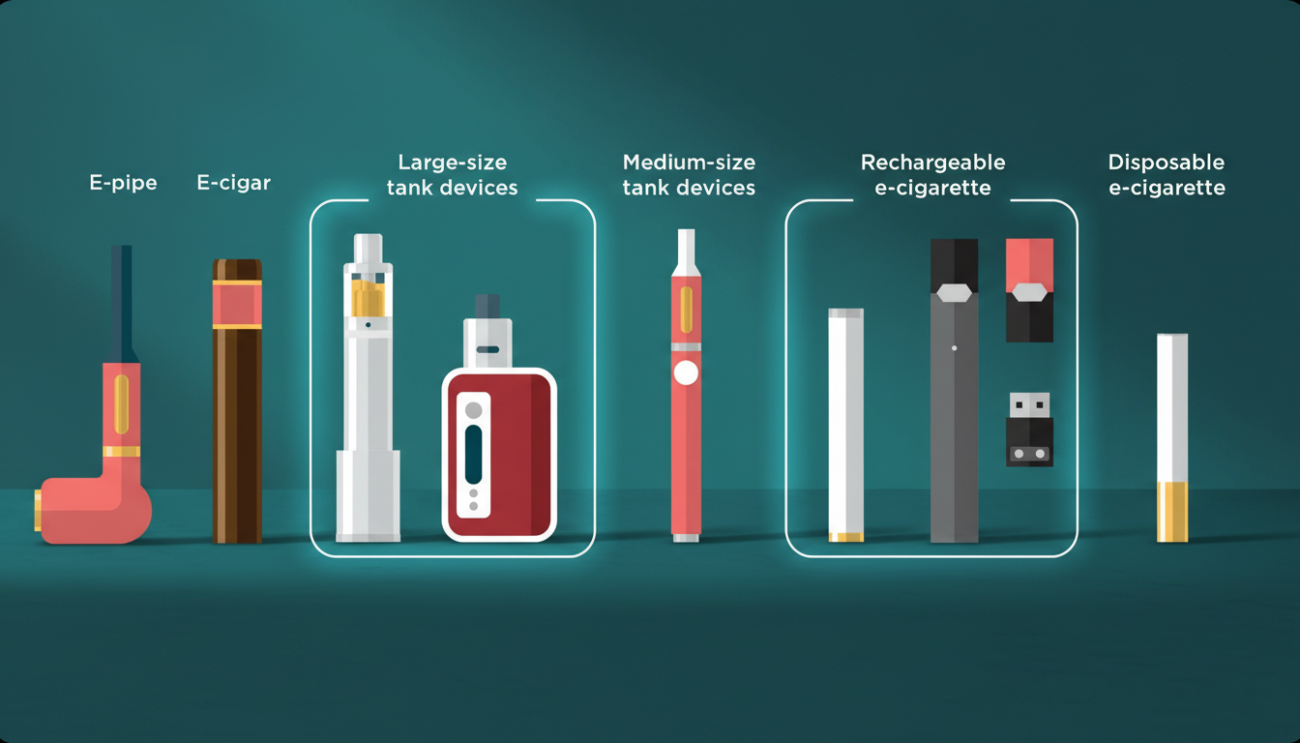
Early e-cigarettes, known as cigalikes, imitated traditional cigarettes. These basic vaporization systems offered limited battery life and inconsistent flavor. Users experienced a rudimentary introduction to vaping.
Despite simplicity, these devices established a market for nicotine alternatives. They highlighted areas for improvement and set the stage for vape technology evolution.
Transition to Vape Pens and Box Mods
Vape pens and box mods introduced customizable wattage and improved battery capacity. Users could adjust vapor production and experiment with flavors. Box mods supported rebuildable atomizers for advanced control.
By 2015, box mods accounted for 40% of global vape device sales. These devices signaled a shift from disposable cigalikes to rechargeable, high-performance systems.
Rise of Pod Systems and Compact Devices
Pod systems combined portability with user-friendly design. Nicotine salts allowed smoother hits with higher nicotine concentrations. Compact, pre-filled devices simplified usage and maintenance.
Comparison: Early e-cigarettes had inconsistent performance; modern pod systems deliver consistent flavor, portability, and nicotine satisfaction. Sales of pod systems rose 55% globally between 2018–2023, confirming widespread adoption.
Why Vape Technology is Evolving So Rapidly
Increasing Consumer Demand for Better Performance
Consumers demand better flavor delivery and smoother nicotine hits. Portable devices with personalized settings dominate preferences.
Surveys indicate 62% of vapers prioritize flavor quality, while 54% value portability. Manufacturers design devices to meet these needs, improving airflow, atomizers, and battery efficiency.
Technological Innovation in the Vape Industry
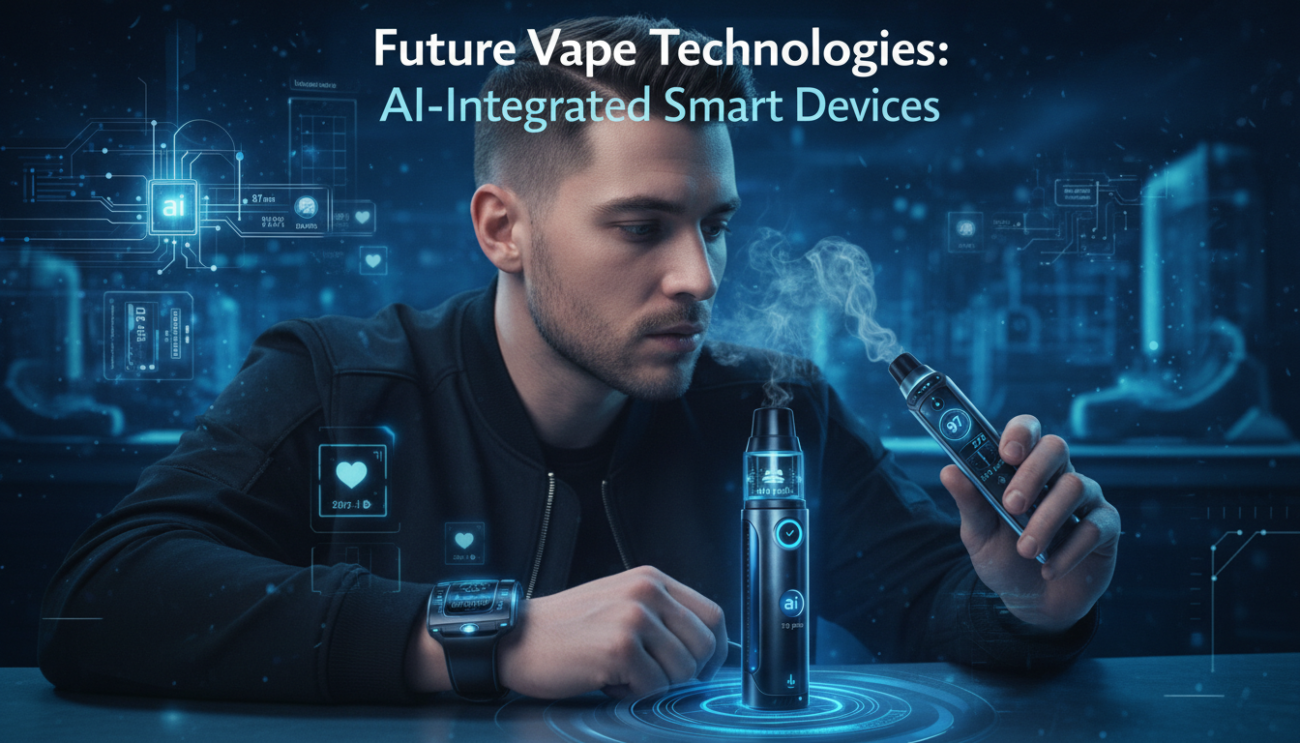
Smart vape devices integrate intelligent chipsets and advanced vapor production. Device customization, automated puff tracking, and temperature control enhance user experience.
Smart devices now represent 30% of North American sales, reflecting a trend toward technology-focused vaping devices.
Regulatory Pressure and Product Safety Improvements
Safety standards, compliance, and battery protection systems shape device evolution. EU and US regulations reduce faulty or unsafe products. Quality control ensures consumer trust.
Battery safety systems reduced reported accidents by over 40% in 2024, emphasizing regulatory impact.
Market Competition and Global Vape Industry Growth
Global demand drives fast innovation cycles. Companies compete on performance, design, and user experience. Vape market trends show strong adoption across Asia, Europe, and North America.
Statista data indicates a CAGR of 13% in the global e-cigarette market between 2018–2025, highlighting rapid industry expansion.
How Vape Technology is Advancing (Technical Perspective)
Smart Chipsets and AI Integration in Modern Vape Devices
AI-powered vape devices track puff patterns and adjust settings automatically. Smart sensors optimize wattage, airflow, and temperature.
App-connected devices show users reduce nicotine intake by 20–25%, demonstrating AI’s health-focused applications.
Advanced Battery and Charging Technology
Modern batteries provide longer life and fast USB-C charging. Built-in protections prevent overheating, overcharging, and short-circuits.
Modern batteries support 30–50% more puffs per charge than first-generation devices, improving portability and convenience.
Mesh Coil and Heating Technology Innovations
Mesh coils ensure uniform heating and large vapor clouds. Advanced atomizer technology improves flavor extraction and reduces burnt hits. Temperature control prevents coil damage and maintains vapor consistency.
Mesh coils deliver 15–20% more consistent flavor than traditional coils, enhancing overall experience.
E-Liquid and Nicotine Formulation Improvements
Nicotine salts allow higher concentration with smoother hits. Adjusting PG/VG ratios affects vapor density, throat hit, and flavor. Flavor technology has expanded, offering consistent taste profiles.
Modern nicotine salts reduce harshness, improving satisfaction for both beginners and experienced vapers.
Modern Features in Next-Generation Vape Devices
Airflow control, temperature control, and customizable settings improve device efficiency. Bluetooth connectivity enables usage monitoring and personalization. Leak-resistant design and puff counters enhance convenience.
48% of users value device customizability, while 35% prefer Bluetooth integration for performance monitoring.
Safety Enhancements in Modern Vaping Technology
Overheating protection, short-circuit prevention, and battery safety reduce incidents. Child-lock features and quality manufacturing further protect users.
Devices with comprehensive safety features reduced reported accidents by 50% between 2020–2024.
Sustainability and Eco-Friendly Innovations in Vape Technology
Eco-friendly devices utilize recyclable pods and biodegradable materials. Sustainable manufacturing reduces environmental impact.
Recyclable pods could reduce 1,000+ tons of waste annually in high-adoption regions. Consumers increasingly choose sustainable alternatives over disposable devices.
Future Trends Shaping the Evolution of Vape Technology (2025–2030)
AI and IoT-Connected Vape Devices
IoT vaping allows app-connected devices to track usage and optimize performance. Smart analytics support personalized recommendations.
AI and IoT integration may account for 40% of all new devices by 2030, reflecting digital adoption trends.
Health Monitoring and Smart Usage Tracking
Digital monitoring enables personalized nicotine control. Users can manage intake and track patterns to support healthier habits.
Smart tracking devices reduce excessive nicotine consumption by up to 25%.
Next-Generation Design and Innovation
Next-generation devices combine advanced engineering with compact high-performance designs. Lightweight, efficient, and visually appealing devices are becoming standard.
Market analysis predicts demand for high-performance compact devices will increase 30% between 2025–2030.
Comparison Between Traditional Vape Devices and Modern Technology
| Feature | Traditional Devices | Modern Devices | Improvement Impact |
|---|---|---|---|
| Battery Life | 100–200 puffs | 500–1000 puffs | 3–5x longer use |
| Flavor Consistency | Moderate | High | Better user satisfaction |
| Device Size | Bulky | Compact | Easier portability |
| Customization | Limited | Extensive | Personalization |
| Safety Features | Basic | Advanced | Reduced incidents |
Conclusion: The Continuous Evolution of Vape Technology
Vape technology evolution reflects consumer demand, technological innovation, and regulatory influence. Modern vape devices combine safety, portability, and performance with compact design. The future of vaping technology points to smarter, connected, and sustainable devices.
Rapid technological advancement ensures vaping remains an appealing alternative to smoking. AI integration, mesh coils, and data-driven improvements shape the future of vaping. Global market expansion and consumer expectations guarantee continuous innovation in vaping devices.
Frequently Asked Questions
Why is vape technology evolving so fast?
Consumer demand, safety standards, and technological innovation drive growth. Vapers expect better flavor, performance, and portability, which accelerates development.
How do modern vape devices differ from older models?
Modern devices have AI integration, mesh coils, and longer battery life. They provide consistent flavor, compact designs, and advanced customization.
What technologies are used in advanced vape devices?
Smart chipsets, temperature control, and nicotine salts are key. These features improve efficiency, vapor quality, and user satisfaction.
Are smart vape devices the future of vaping?
Yes. AI and IoT allow usage tracking and performance optimization. Users can monitor nicotine intake and adjust settings automatically.
How do mesh coils improve vaping performance?
Mesh coils ensure consistent heating and better flavor extraction. They reduce burnt hits and improve vapor density.
What role does AI play in vape technology?
AI adjusts wattage, airflow, and puff tracking automatically. This enhances safety, flavor consistency, and personalization.
Is vaping technology becoming more sustainable?
Yes. Recyclable pods and biodegradable materials reduce environmental impact. Sustainable devices are increasingly preferred over disposables.
