
Shisha Ingredients Explained: What Is Shisha Made Of?

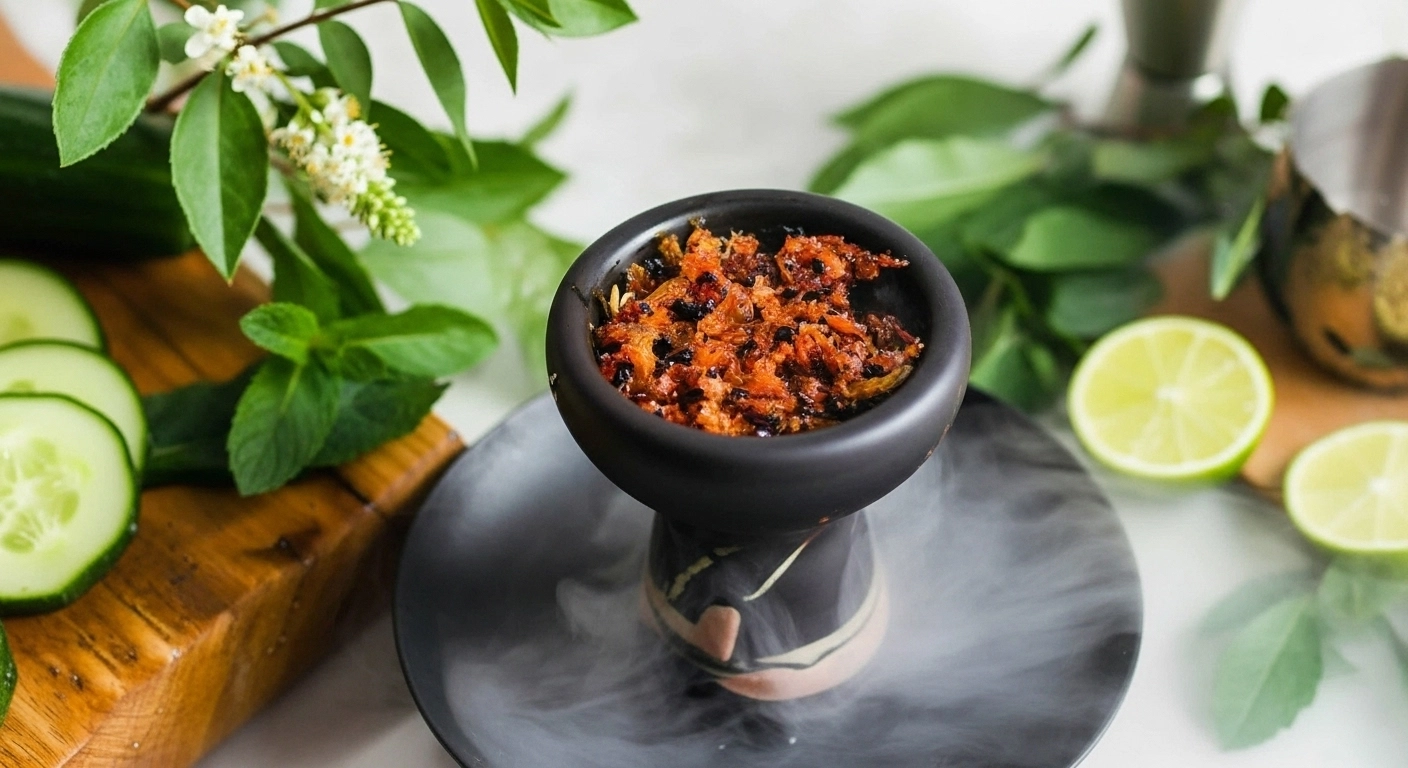
Shisha ingredients play a major role in defining the flavour, smoke quality, and overall experience of hookah smoking.
Many people enjoy shisha without fully understanding what it is made of or why different brands feel and taste so different.
Whether you are a casual user or someone exploring shisha products for the first time, knowing the ingredients helps you make better choices.
This guide explains what shisha is made of, how each ingredient works, and why these components matter.
Shisha, also known as hookah tobacco or waterpipe mixture, is a blended product designed to produce flavoured smoke when heated.
Unlike cigarettes, shisha is not burned directly but heated using charcoal, which allows its ingredients to release aroma and vapour slowly.
The composition of shisha has evolved over time, with both traditional and modern variations available today.
Despite brand differences, most shisha products follow the same basic ingredient structure.
Tobacco as the Traditional Base Ingredient in Shisha Products
Traditional shisha is made using selected tobacco leaves that are processed for smoothness.
The leaves are usually washed to remove bitterness and harsh compounds.
This process makes the smoke easier to inhale and less irritating.
Tobacco-based shisha contains nicotine, though the strength depends on the blend.
Tobacco-Free and Herbal Alternatives Used in Modern Shisha Blends
Many modern shisha products use herbal or plant-based materials instead of tobacco.
Common alternatives include tea leaves, sugarcane fibre, and other natural plant substances.
These ingredients act as a base structure rather than a flavour source.
Herbal shisha is nicotine-free and popular among users avoiding nicotine.
The Role of Molasses, Honey, and Glycerin in Shisha Texture and Smoke
Molasses, honey, and vegetable glycerin are essential for keeping shisha moist.
They bind the ingredients together and prevent the mixture from drying out.
Without these components, shisha would burn quickly and taste harsh.
They also help regulate how heat spreads through the bowl.
Vegetable Glycerin and Its Effect on Thick Smoke Production
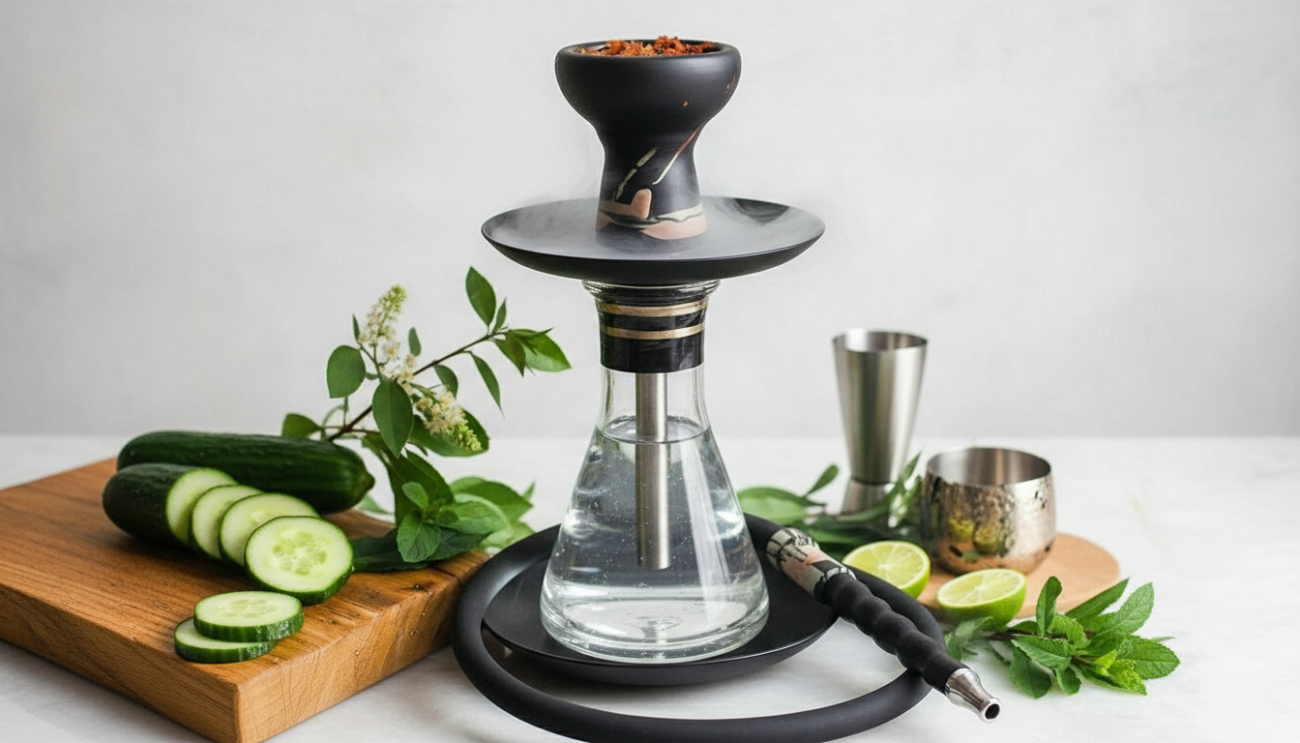
Vegetable glycerin is responsible for producing dense and visible smoke clouds.
It is a colourless liquid made from plant oils and commonly used in shisha blends.
When heated, glycerin creates smooth vapour rather than harsh smoke.
High-quality shisha uses balanced glycerin levels to avoid throat irritation.
Molasses and Honey as Sweeteners and Moisture Enhancers
Molasses adds a rich, slightly caramelised sweetness to shisha blends.
It is often derived from sugarcane or sugar beet and improves texture.
Honey provides a smoother sweetness and enhances flavour depth.
Both ingredients help maintain consistency and extend shelf life.
Flavourings That Define the Taste and Aroma of Shisha
Flavourings are what make each shisha blend unique and enjoyable.
They determine taste, smell, and overall character of the product.
Flavours can be natural extracts, artificial compounds, or a mix of both.
Manufacturers use different formulas to create signature blends.
Popular Fruit Flavours Commonly Used in Shisha Products
Fruit flavours are among the most widely used in shisha.
Apple, grape, lemon, watermelon, and mixed fruit blends are especially popular.
Apple flavour has a long cultural connection with traditional hookah.
Fruit flavours are often combined to create layered taste profiles.
Mint Flavour and Its Cooling Effect in Shisha Blends
Mint is frequently used either alone or mixed with fruit flavours.
It adds a cooling sensation that improves smoothness.
Mint helps balance sweet flavours and reduce heaviness.
Many users prefer mint blends for longer smoking sessions.
Nicotine Content in Tobacco-Based Shisha and Its Impact
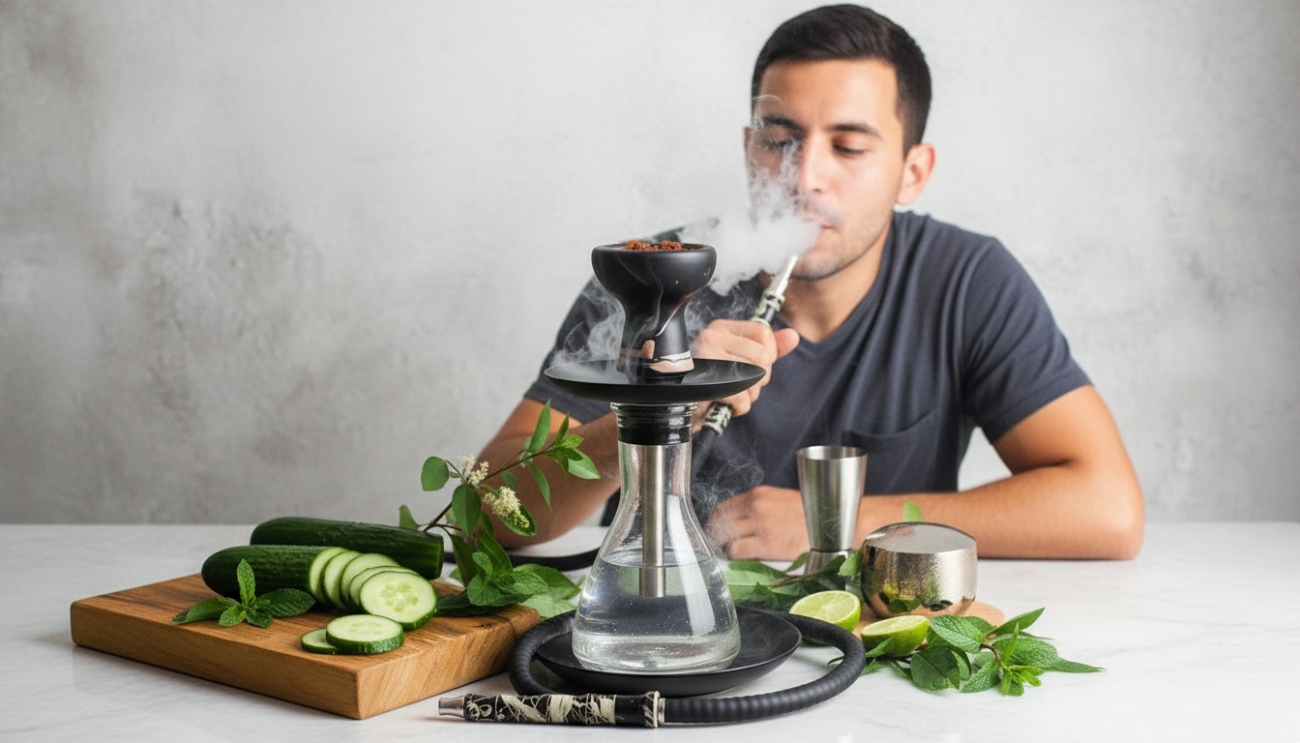
Nicotine is naturally present only in tobacco-based shisha.
It affects the strength and sensation of the smoke.
Different blends offer varying nicotine levels from mild to strong.
Users usually select strength based on experience and tolerance.
Nicotine-Free Shisha Options for Users Avoiding Tobacco
Herbal and tobacco-free shisha products contain no nicotine.
They are designed for flavour and smoke without stimulant effects.
While the experience feels similar, the absence of nicotine changes the sensation.
These options appeal to a wider range of users.
Additives Used to Maintain Freshness and Consistency in Shisha
Some shisha blends include additives for stability and preservation.
These additives are used in small amounts and serve functional purposes.
They help maintain texture, moisture balance, and freshness.
This ensures reliable performance over time.
Moisture Regulators and Their Importance for Smooth Sessions
Moisture regulators help shisha respond evenly to heat.
They reduce burning and allow flavours to release gradually.
Proper moisture levels result in longer, smoother sessions.
This balance is crucial for quality performance.
How Ingredient Quality Affects Overall Shisha Experience
High-quality shisha uses cleaner tobacco, refined glycerin, and balanced flavours.
Lower-quality products may taste artificial or burn unevenly.
Ingredient balance affects smoke density, flavour clarity, and smoothness.
Checking ingredients helps identify better products.
How Shisha Ingredients Influence Storage and Preparation
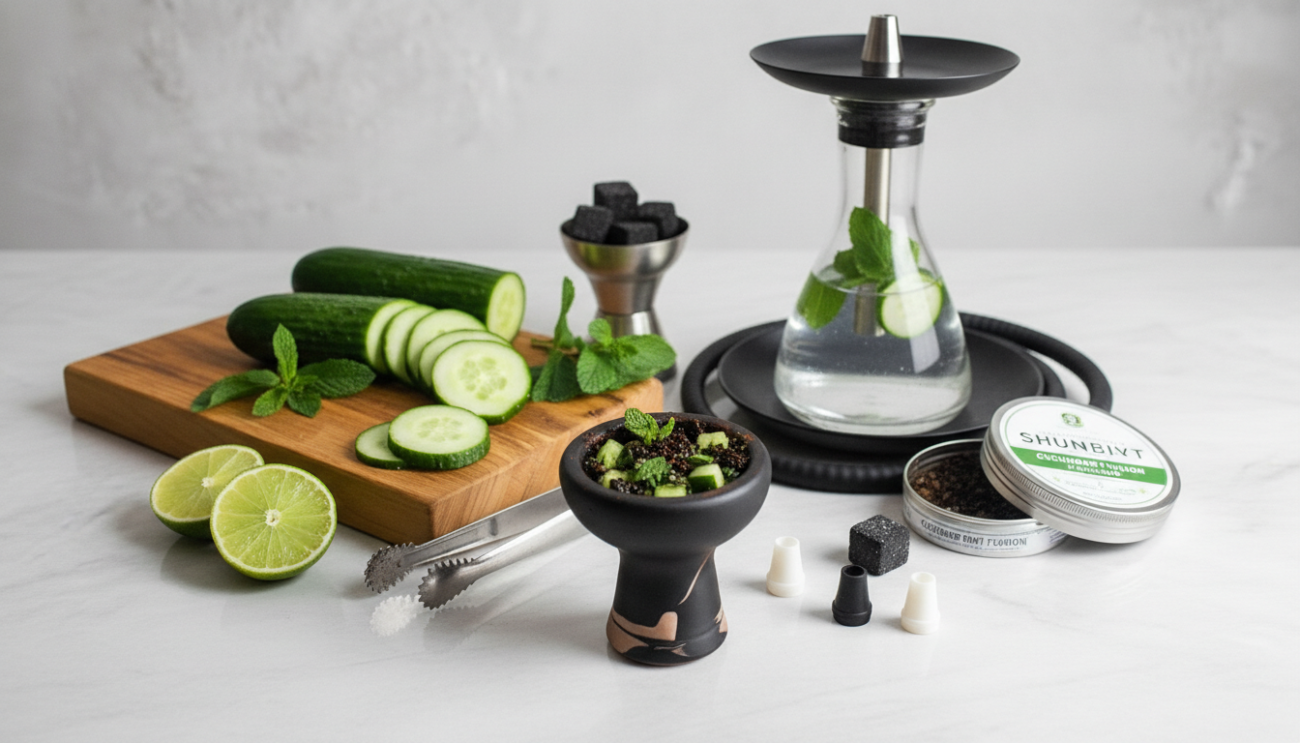
Moisture-rich shisha must be stored in airtight containers.
Improper storage can cause drying and flavour loss.
Excessive heat can damage ingredients during use.
Correct handling preserves quality and taste.
Final Overview of Shisha Ingredients and Their Purpose
Shisha is made from a base material, moisture agents, flavourings, and optional nicotine.
Each ingredient has a specific role in performance and taste.
Whether tobacco-based or herbal, quality matters.
Understanding these components leads to better choices and satisfaction.