

Why Vape Leaks Happen and How to Fix Them

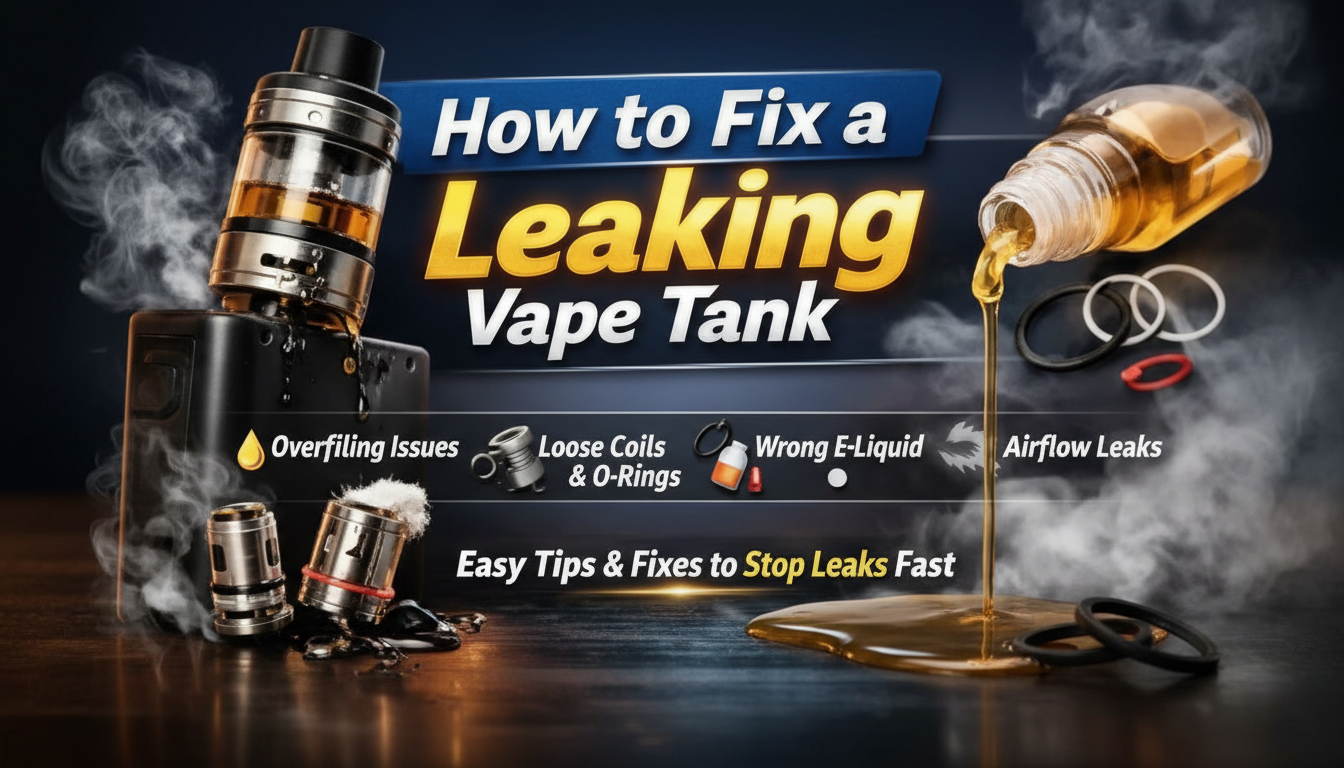
Vape leaks usually happen due to worn O-rings, loose parts, incorrect coil placement, overfilling, or thin high-PG e-liquid that floods the vape tank. Fix the issue by tightening connections, replacing damaged seals, using thicker vape juice, and installing the coil properly. Always keep the device upright to reduce flooding and leakage.
At Vapora, we see vape leaking issues across refillable tanks, pod systems, and sub-ohm setups. The good news? Most vape tank leaking problems are caused by simple, fixable mistakes not device failure.
Once you understand how vape tanks work, stopping leaks becomes easy.
What Does It Mean When a Vape Leaks?
A vape leaks when e-liquid escapes from the tank through airflow holes, the mouthpiece, or the battery connection due to pressure imbalance, coil flooding, or damaged seals.
Signs of true vape leaking:
- Liquid pooling at bottom airflow slots
- Vape juice inside the mouthpiece
- Sticky residue around the battery connection
- Gurgling sounds during inhalation
Light moisture is often just condensation. Real leaking involves visible e-liquid loss — not just small droplets.
The Science Behind Vape Leaks (How Vape Tanks Work)
Every refillable vape tank works using vacuum pressure balance.
Inside the sealed tank:
- A small air pocket controls pressure
- The coil absorbs controlled amounts of e-liquid
- O-rings maintain an airtight system
When this balance is disturbed, leaking starts.
How Pressure Causes Leaks
If internal air pressure drops suddenly (overfilling, loose tank, heat exposure), excess vape juice floods the coil chamber. That liquid escapes through airflow openings.
The Role of O-Rings and Seals
O-rings prevent air gaps and maintain vacuum balance.
Worn or cracked seals break pressure control leading to continuous vape tank leaking.
Condensation vs Real Leakage
Condensation forms when vapor cools inside airflow channels.
It clears with cleaning.
Leakage is different it involves continuous e-liquid escape.
10 Common Reasons Why Vape Leaks Happen
1. Overfilling the Tank
Overfilling removes the necessary air pocket that regulates pressure. Without space for vacuum control, vape juice floods the coil.
Fix: Always leave a small air gap at the top.
2. Worn or Damaged O-Rings
Heat and e-liquid exposure degrade seals over time.
Devices older than 12–18 months show significantly higher leakage rates due to gasket wear.
Fix: Replace O-rings or upgrade the tank.
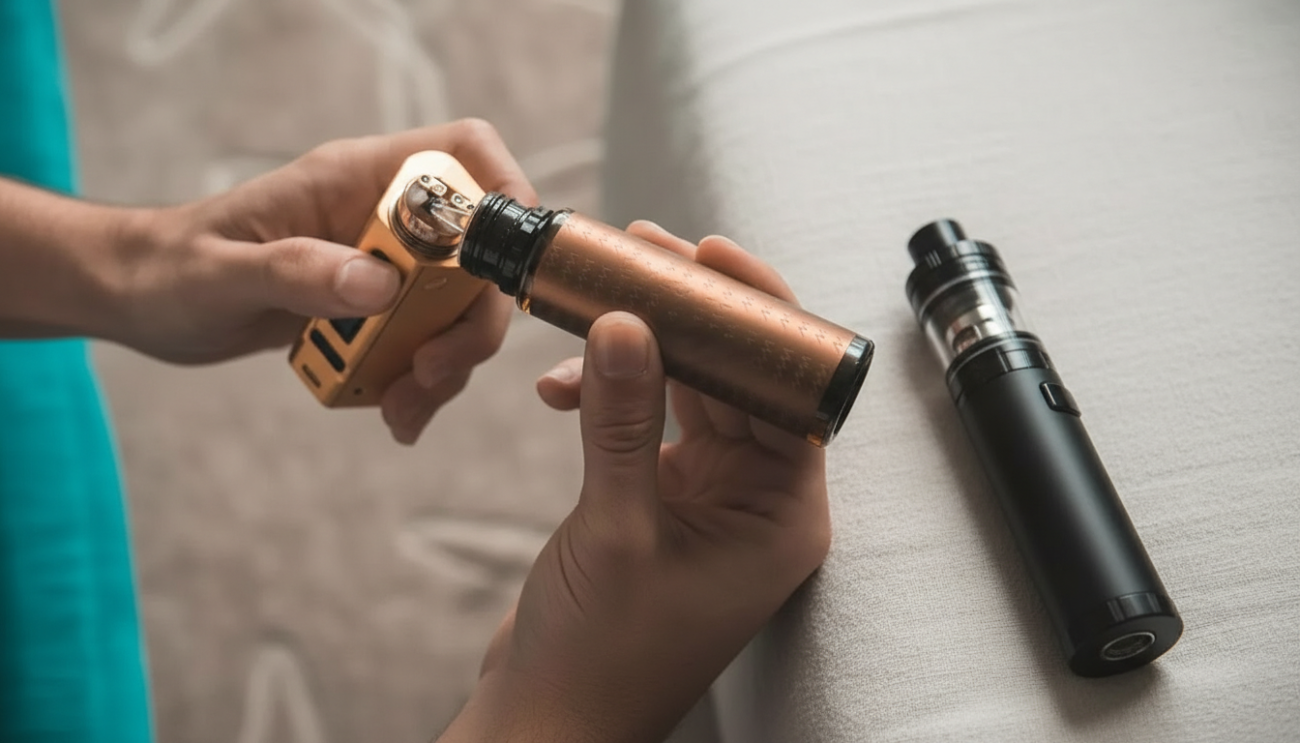
3. Loose Tank Assembly
Even slight threading misalignment creates micro air gaps that break pressure balance.
Fix: Tighten all parts firmly not excessively.
4. Wrong PG/VG Ratio
Thin, high-PG e-liquid flows faster and increases flooding risk.
Retail sales data shows 70VG/30PG blends account for over 60% of sub-ohm tank usage due to smoother vapor and reduced leakage.
Best Practice:
- Sub-ohm tanks → High VG
- Pod systems → Balanced PG/VG
Using the correct e-liquid dramatically reduces vape leaking.
5. Coil Installed Incorrectly
If the coil isn’t seated properly, liquid bypasses the seal and floods the chamber.
Fix: Remove and reinstall coil firmly.
6. Over-Priming the Coil
Too much priming oversaturates cotton before vaporization begins.
Fix: Prime lightly and wait 5–10 minutes.
7. Incorrect Wattage
Low wattage prevents full vaporization.
Unvaporized liquid accumulates and leaks.
Fix: Stay within the coil’s recommended wattage range.
8. Airflow Open Too Wide
Fully open airflow reduces internal resistance, allowing more liquid into the coil than needed.
Fix: Adjust airflow to moderate levels.
9. Storing the Device on Its Side
Gravity pushes vape juice toward airflow channels.
Fix: Always store upright.
10. Temperature & Altitude Changes
E-liquid viscosity drops significantly in high temperatures (above 35°C), increasing flooding risk.
Flights and altitude shifts disrupt internal tank pressure causing sudden leaks.
Fix: Empty tanks before flying and avoid leaving devices in hot cars.
How to Fix a Leaking Vape (Step-by-Step Checklist)
Follow this in order:
- Empty the tank safely
- Clean tank, airflow chamber, and mouthpiece
- Inspect O-rings for wear
- Tighten all connections
- Replace flooded coil
- Refill correctly (leave air gap)
- Let coil saturate 5–10 minutes
- Adjust airflow moderately
- Store upright
This resolves most leaking vape problems within minutes.
If leaking continues, replacing the tank or coil is often the permanent solution.
How to Prevent Vape Leaks Long Term
Use the Correct E-Liquid
Matching viscosity to your device prevents coil flooding.
High VG = thicker, more stable
High PG = thinner, faster absorption
Using compatible e-liquids significantly reduces vape tank leaking.
Replace Coils Regularly
Most coils last 1–2 weeks depending on usage.
Old coils absorb poorly, leading to flooding and leaks.
Replacing coils on time prevents 80% of leakage issues.
Avoid Extreme Heat
Heat thins vape juice and increases flow rate.
Never leave your vape inside a parked car.
Follow Manufacturer Guidelines
Correct wattage, coil compatibility, and refill technique prevent long-term seal damage.
Using quality replacement coils and authentic tanks ensures proper pressure control.
Do Some Vape Types Leak More Than Others?
Yes. Design matters.
| Device Type | Leakage Risk | Common Cause | Prevention |
|---|---|---|---|
| Pod System | Low–Medium | Thin e-liquid | Correct PG/VG ratio |
| Sub-Ohm Tank | Medium | Coil flooding | Proper wattage |
| Disposable Vape | Low | Seal failure | Avoid heat |
| RTA/RDA | High (if misbuilt) | Wicking errors | Proper build |
Pod systems leak less due to sealed cartridges.
Rebuildables leak most if wicking is incorrect.
Choosing a leak-resistant device reduces long-term frustration.
When Should You Replace Your Vape?
If you notice:
- Cracked glass
- Repeated flooding despite coil changes
- Damaged battery connection
- Persistent leaks after troubleshooting
It’s safer to replace the tank or upgrade your device.
A failing tank costs more in wasted e-liquid than replacing it.
Frequently Asked Questions
Why is my vape leaking from the bottom?
A vape leaking from the bottom usually happens because of coil flooding, worn O-rings, or loose tank assembly. Excess e-liquid escapes through airflow slots when pressure balance fails.
Why does vape juice get in my mouth?
This is caused by a flooded coil or overfilling. When liquid oversaturates the coil, it travels upward instead of vaporizing properly.
Can cold weather cause vape leaks?
Yes. Sudden temperature shifts disrupt vacuum pressure inside refillable tanks, leading to leakage symptoms.
Does high PG e-liquid cause leaks?
High PG liquids are thinner and flow faster. In sub-ohm tanks, this increases flooding risk if not matched correctly.
Should I keep my vape upright?
Yes. Upright storage maintains pressure balance and prevents vape juice pooling near airflow slots.
Final Thoughts
Most vape leaking problems are not defects they’re maintenance or setup issues.
With correct e-liquid selection, proper coil installation, and regular cleaning, leaks become rare.
If your tank continues leaking despite troubleshooting, upgrading to a higher-quality tank or replacing worn coils makes a noticeable difference.
At Vapora, we recommend using compatible coils, correct PG/VG e-liquids, and properly sealed tanks to ensure smooth, leak-free performance.
Stopping vape leaks isn’t complicated it just requires the right setup.